How Much Does a Wedding DJ Usually Cost? A Complete Pricing Guide for Couples
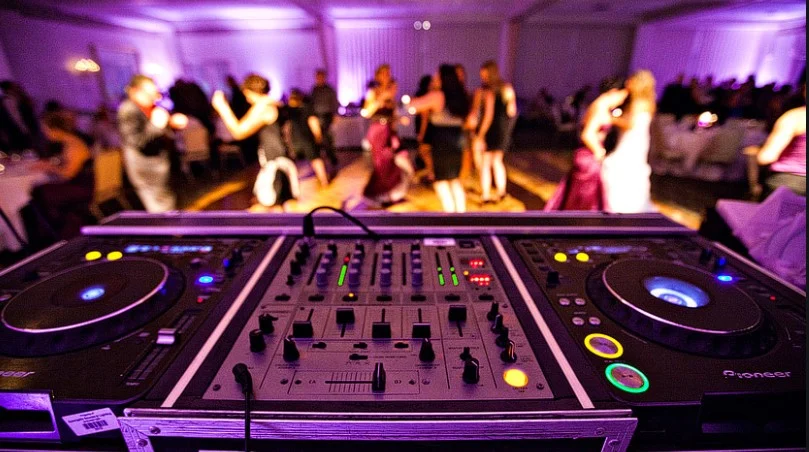
The planning of a wedding is a series of choices among them, but one of the biggest decisions you'll have to make is choosing the most appropriate entertainment. Music sets the mood for your wedding ceremony, energises your wedding reception, and makes memories that will last for a lifetime. This is the reason why many couples have the same question at an early stage when planning their wedding: How much do wedding DJs typically cost? Knowing the price can help you budget effectively while also ensuring that you choose a reliable Weddings DJ who will provide the best experience.
Why Hiring a Weddings DJ Is Worth the Investment
A skilled Weddings DJ does more than simply play the playlist. They oversee the flow of events, work with the vendors, announce important events and keep guests interested from the very first dance to the last song. In contrast to live bands, DJs can provide versatility across genres of music, rapid transitions, and high-quality sound throughout the party. These qualities are the main reasons prices can differ in a wide range and why quality is more important than just selecting the most affordable option.
Average Cost of a Wedding DJ in the United States
On average, wedding couples from the United States can expect to spend between $2,000 and $1,000 for a professional DJ. In smaller cities or in remote areas, costs could start at $700, whereas in larger cities and markets, prices for luxury goods can go over $3500. The final cost will depend on the amount of experience, the length of the event, the quality of equipment used and the quality of service offered. Understanding these factors can help explain why the cost of a wedding DJ isn't dependent on a single flat cost.
Experience and Reputation Impact Pricing
One of the major factors that affects the cost is the experience of the DJ. A DJ who's brand new to weddings and only attended a handful of weddings could be significantly cheaper than a professional who has numerous weddings to their credit. Professional DJs who have experience are able to comprehend the venue, handle abrupt changes, and swiftly recover from unexpected issues. Their reliability and confidence can justify higher rates, particularly for couples who require security on the day of their wedding.
Event Duration and Coverage Time
The majority of DJ packages for weddings are priced on the basis of the number of hours of coverage. The typical wedding reception runs between four and five hours, which is typically included in a standard package. If you require cover for your ceremony, cocktail hour and the reception, then the price typically will increase. DJs at weddings who stay longer to accommodate larger celebrations or other cultural customs will be factoring this extra duration into the final cost. Events that are longer require more preparation and energy, as well as the setup of equipment, which will naturally impact the costs.
Equipment Quality and Sound System Setup
High-quality lighting and sound equipment are a major factor in wedding DJ costs. Professional wedding DJs invest lots of money in mixers, microphones, speakers, backup systems, and lighting effects. Larger venues and outdoor weddings typically require better sound systems and an additional amount of time to set up. DJs who use high-end equipment and backups typically cost more; this guarantees a consistent sound quality and minimizes the risk of technical issues in crucial moments.
Customization and Music Planning
Personalisation is a major cost factor. A DJ who includes personalised playlists, in-depth consultations, and timeline planning will be more valuable than DJs who play the same playlist. Many couples need specific songs for their wedding entrances, first dances and also for their cultural ceremonies. DJs who spend a lot of time planning and coordinating these elements typically cost more. But the end result is a customised music that reflects your character and the story you tell.
Location and Regional Pricing Differences
Where your wedding takes place has a significant impact on DJ pricing. Weddings DJ services in metropolitan areas such as New York, Los Angeles, or Chicago generally charge more due to higher demand and operating costs. In contrast, DJs in smaller cities or rural areas may offer lower rates. Travel fees may also apply if your DJ must drive long distances or stay overnight near the venue.
Additional Services That Increase Cost
The location in which your wedding will be held is a major element in DJ prices. DJ services at weddings in cities such as New York, Los Angeles or Chicago generally are more expensive due to the more demands and higher operating costs. On the other hand, DJs working in smaller towns or that are rural areas may have lower rates. Travel costs may also be charged for DJs who have to travel lengthy distances or who stay for the night near the location.
Why Cheaper Is Not Always Better
Many Wedding DJ professionals offer extra services that improve the experience, but increase the cost overall. These could include high-end lighting effects on dance floors, as well as photo booth coordination, fog machines, or uplighting for the first dance. DJs can also serve as full emcees and coordinate speeches and other special moments. Although these services are not required, they can dramatically improve the mood and are usually worth the extra cost.
How to Choose the Right Weddings DJ for Your Budget
It's tempting to choose the most affordable option when you're budgeting; however, this could lead to disappointment. DJs with low prices may not have the experience, proper equipment, or professionalism. Music mistakes, poor sound quality, or misplaced cues could cause a disaster for your wedding. Hiring a professional DJ can ease anxiety and ensure that your wedding is smooth from beginning to end.
What is the price for the typical wedding DJ
The best way to approach it is to think about the worth of a DJ, instead of just the cost. Select a DJ for weddings who is clear in their communication, capable of understanding your needs and provides positive testimonials from couples who've actually hired them. Learn about their experiences as well as backup plans, and how they handle unexpected situations. A slight increase in cost typically suggests better service, greater preparedness and a better overall experience.
What is the price for the typical wedding DJ? The answer will depend on the DJ's expertise and the location, services and experience, as well as the duration of the wedding. However, there are many couples who are of the opinion that hiring a professional Wedding DJ is a wise investment. Music is a key element in generating lasting memories and unforgettable experiences. By analysing the cost and selecting the highest quality over the least expensive, you can be sure that your wedding reception is enjoyable, smooth, effortless, and memorable.
FAQ's
How much does a wedding DJ usually cost in the US?
The cost of a Weddings DJ in the United States typically ranges from $1,000 to $2,500. Pricing depends on experience, event length, location, and the level of customization offered for your wedding.
Why do wedding DJ prices vary so much?
Wedding DJ prices vary because each Weddings DJ offers different levels of experience, equipment quality, planning time, and additional services such as lighting or emcee duties, which all impact the final cost.
Is hiring a professional Weddings DJ worth the money?
Yes, hiring a professional Weddings DJ is worth the investment because they manage music flow, announcements, and crowd engagement while ensuring smooth transitions throughout your wedding day.
How many hours are usually included in a wedding DJ package?
Most Weddings DJ packages include four to five hours of reception coverage. Additional hours for the ceremony or cocktail hour usually increase the overall price.
Does a Weddings DJ provide their own equipment?
A professional Weddings DJ typically provides their own sound system, microphones, and backup equipment to ensure reliable audio performance throughout the event.